The methodology

The problem isn’t
creating good IDPs. It’s keeping them alive.

Most programs already have a solid IDP process. What’s hard is the space between the meetings, where the goal goes quiet and the coach ends up carrying it. Clutcher doesn’t replace your IDP process – it extends it into what the player actually does in between.

How it works in practice

The prep + reflect
routine

A simple weekly loop around each player’s individual development goal. The player takes more responsibility for carrying that goal through the week, while staff get better visibility into how it’s going and where a conversation might be needed. Instead of the IDP being something you come back to every few weeks, it becomes part of the development environment every week.

You don’t run this on every session. Most teams pick one or two key sessions a week, plus the pre-game routine. Every check-in through the week is deliberately kept to one or two minutes, and the pre-game routine on match day is about five. That’s enough to keep the player in regular contact with their goal and to pull one concrete thing out of a session they can use in the next one – without the week turning into one more thing to keep on top of.

Before training1–2 min

Intention, tied to a goal

The player picks a concrete focus linked to one of their own development goals. Training becomes targeted, not just showing up.

After training & games1–2 min

Short evaluation, while it’s fresh

The player evaluates against their own goals immediately, training both a mastery focus (what worked) and a growth mindset (what to try next).

Game day5 min

Game goal + AI visualization

A short routine before every game. The player sets a game goal; Clutcher generates a visualization audio tailored to it. Helps them arrive with a plan rather than a head full of noise.

On demand

Box breathing

A simple tool to regulate nerves, dial down stress, and reset after a mistake. Used before a game, during a break in play, or when something has gone wrong.

Imagery

Bite-sized visualizations

Short guided visualizations the player can use to prepare for a game, picture themselves performing at their best, or rehearse reaching a goal they have set. An easy way into imagery work that actually gets used.

For the coach (with consent)

Signals, not surveillance

When the player consents, the coach sees engagement patterns, focus points and post-game reflections. The check-in stops being a chase: you already know who has prepared and who has drifted, so the conversation starts a step further in.

Better conversations,
with the right players.

What it really gives me is week-to-week conversation points. I can see who’s doing well and who needs a bit more coaching this week, without guessing. With 25+ players in a squad, that’s huge.
Ben WaldrumHead coach WSOC · University of Pittsburgh
Why it holds up

Built by people who’ve
worked with players.

One of us has spent years working directly with teams and one-to-one with athletes. The other spent a career as a player. Everything in Clutcher has to pass both tests: is it sound, and would a young player actually do it in a normal week?
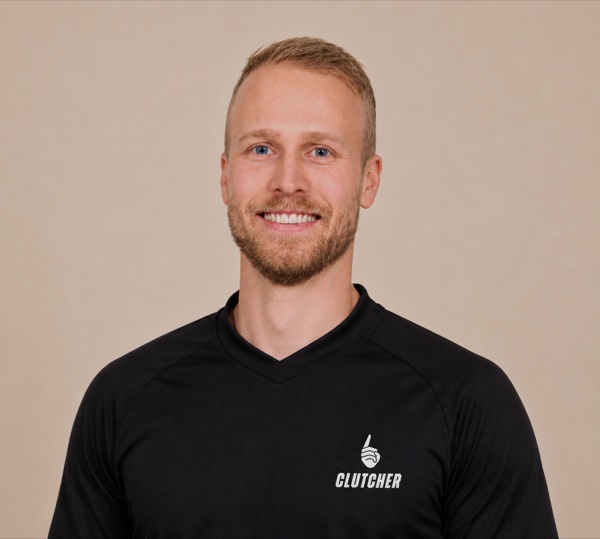
Peder Lysholm Daviknes
Head of methodology & programsPeder Lysholm
Daviknes

Peder has spent years inside team environments and working one-to-one with individual athletes, and that practical work is what shapes everything in Clutcher. He holds an MSc in Sport Psychology and a two-year advanced qualification in cognitive sport psychology – but the content is built from what players actually respond to in a real week, not from what reads well on paper.

Years of hands-on work in team environments
One-to-one work with individual athletes
MSc Sport Psychology, plus a two-year advanced qualification

Jonatan Tollås Nation
CEO & co-founderJonatan
Tollås Nation

Captain at two top-flight clubs across almost two decades. Clutcher is built around what he and his coaches were missing that whole time – a way to keep working on the individual things between sessions, instead of only talking about them in the next meeting.

Two-time Norwegian champion (NM gold)
Captain at Vålerenga and Aalesunds FK
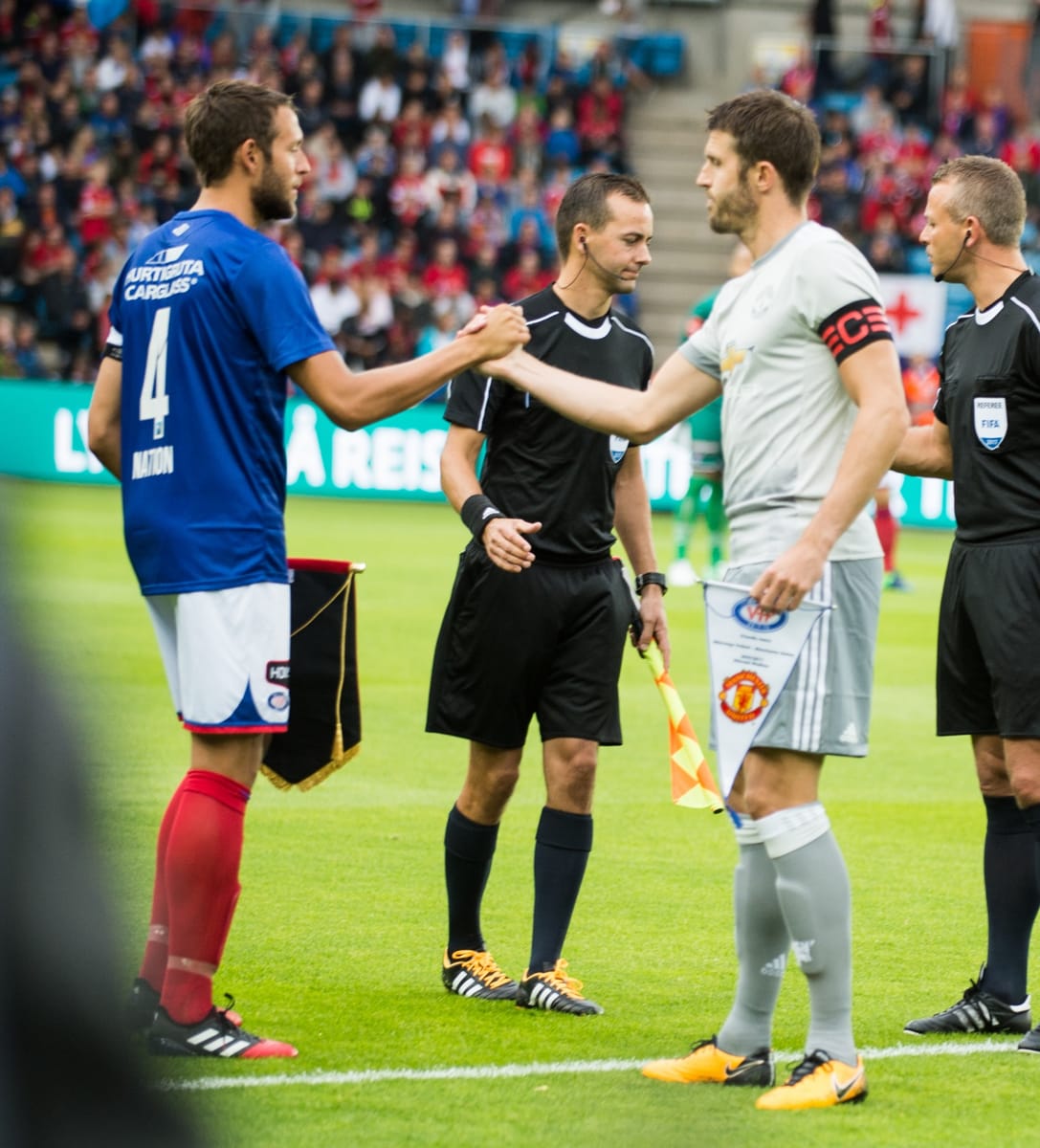
Jonatan Tollås Nation (#4, Vålerenga captain) shaking hands with Michael Carrick (Manchester United captain) before kickoff
From the pitchJonatan (#4, Vålerenga captain) meets Michael Carrick (Manchester United captain) before kickoff. The methodology isn’t theory borrowed from books, it’s the habits that actually worked on the biggest stages.
Scope & responsibility

What Clutcher is,
and what it isn’t.

See it in practice

Methodology is easier
to show than tell.

Thirty-minute walkthrough where we’ll show you how the weekly loop and the coach-side visibility actually work in a real program.

Book a demoNo commitment · Live in one week · Used by 15+ clubs, college programs and academies